


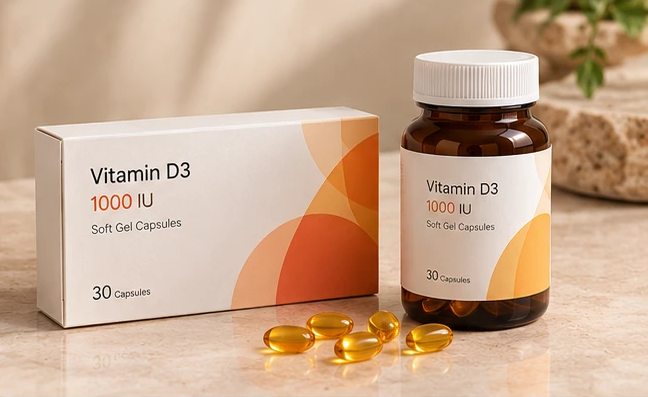
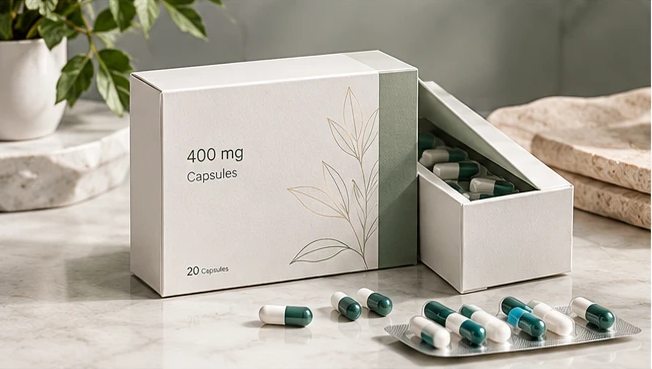
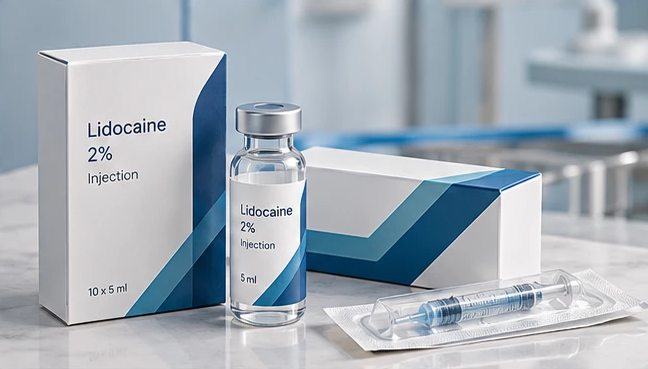
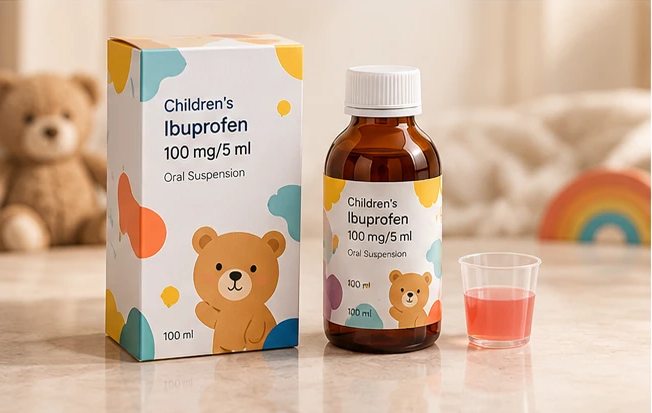
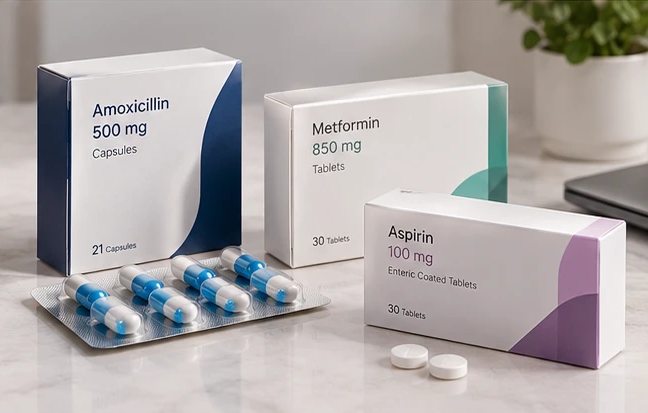
Pharmaceutical carton styles: tuck end, crash lock and tamper-evident
Tuck end cartons are the most common format for blister packs, tubes and bottles of medicines and supplements; they suit automatic cartoning machines and open easily for the patient. A crash lock bottom is typically chosen for heavier contents, such as larger bottles or medical device kits, especially when cartons are filled by hand. Tamper-evident cartons use a closure that visibly tears or breaks when the carton is first opened, giving pharmacists and patients a simple check that the pack is intact.
Board, small text and Braille on medicine boxes
GC1, GC2 and SBS virgin boards are typically used because they offer a clean white surface, consistent thickness and the stiffness that helps cartons run on high-speed lines. Medicine cartons usually carry dense information in small type, so sharp offset reproduction matters. Fine text is generally best set in solid black or a single spot colour rather than built from four process colours, which keeps it crisp and legible.
Braille embossing should be positioned so that it does not cross folds, glue flaps or other embossed areas. In the EU, for example, the name of a medicine is generally required in Braille on the outer packaging. The text, Braille content and layout follow the artwork and requirements your company provides, and responsibility for regulatory content remains with the brand.
Varnish-free coding areas for batch and expiry data
Batch numbers, expiry dates and other variable codes are usually printed on your packing line by inkjet or laser. Varnish-free areas leave the board uncoated in exactly those positions, so the codes print cleanly and stay legible. Tell us the size and position of each coding field and the coding method you use, so the areas can be planned into the dieline from the start rather than added later.
If one product comes in several strengths or pack sizes, a shared dieline with clearly separated artwork versions keeps the range consistent and makes reorders simpler.
Pharmaceutical packaging: what to send for a quote
Quotes are answered within 1 business day. Please include:
- Product format (blister, bottle, tube, device) and dimensions
- Carton style, and whether a tamper-evident closure is needed
- How cartons are filled; for automatic lines, the machine specification
- Board preference, Pantone references and Braille text
- Position and size of coding areas
- Quantity per version and delivery country


